Graduates Make Up 67% of Jobless Youth in India
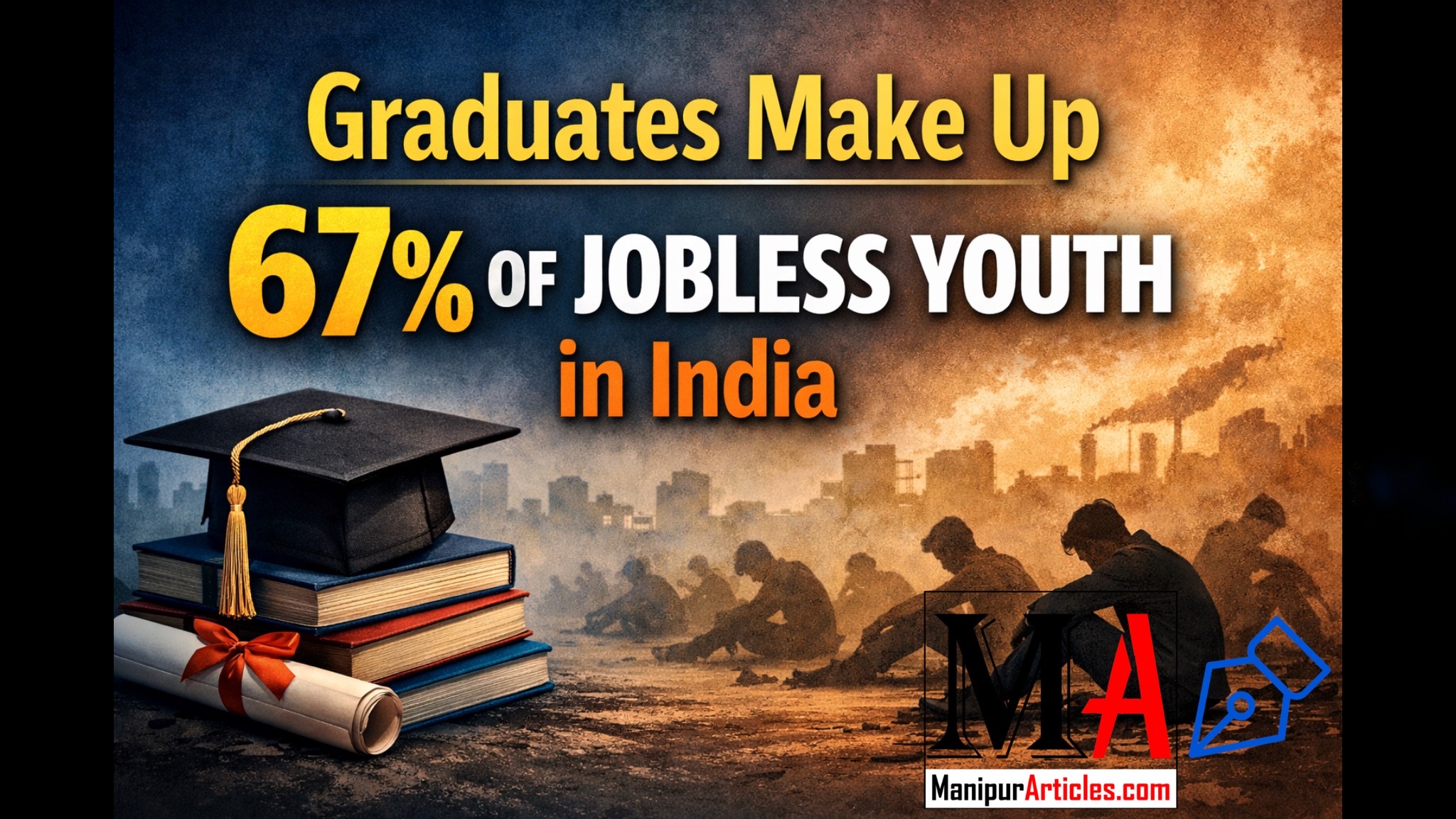
A recent report has revealed a striking trend in India’s labour market: about 67% of unemployed youth aged 20–29 are graduates. The finding comes from the “State of Working India 2026” report released by Azim Premji University, highlighting a growing mismatch between higher education and job opportunities in the country.
Education Increasing, But Jobs Not Keeping Pace
Over the past two decades, India has significantly expanded access to higher education. However, the report notes that job creation has not kept pace with the rising number of educated young people entering the labour market. As a result, many graduates struggle to find stable employment even after completing their degrees.
Experts say this reflects a structural problem in the economy, where the skills taught in universities often do not match the requirements of industries. This gap between education and employability has become one of the major challenges facing India’s workforce.
Youth Unemployment Remains a Major Concern
The report also highlights that unemployment is particularly high among young people. Earlier studies have shown that young people make up a large share of the unemployed population in India, indicating that entering the job market is increasingly difficult for new graduates.
In addition, many graduates who do find work often end up in temporary, low-paying, or gig-based jobs, which may not match their qualifications or provide long-term stability.
Key Reasons Behind Graduate Unemployment
Several factors contribute to this situation:
• Skill mismatch: University education often lacks practical training required by industries.
• Slow job creation: Economic growth has not generated enough high-quality jobs.
• Rise of gig economy: More youth are entering short-term or informal employment.
• Urban job competition: Graduates in cities face intense competition for limited positions.
What the Report Suggests
Researchers emphasize the need for education reforms and stronger job creation policies. This includes improving vocational training, strengthening industry–academia collaboration, and promoting sectors that generate large-scale employment.
If these challenges are not addressed, experts warn that India’s demographic advantage—its large young population—could turn into a demographic challenge, with millions of educated youths struggling to find suitable jobs.
Source:- Time of India