Manipur: Indian Army Intensifies Counter-Insurgency Operations Without Bias
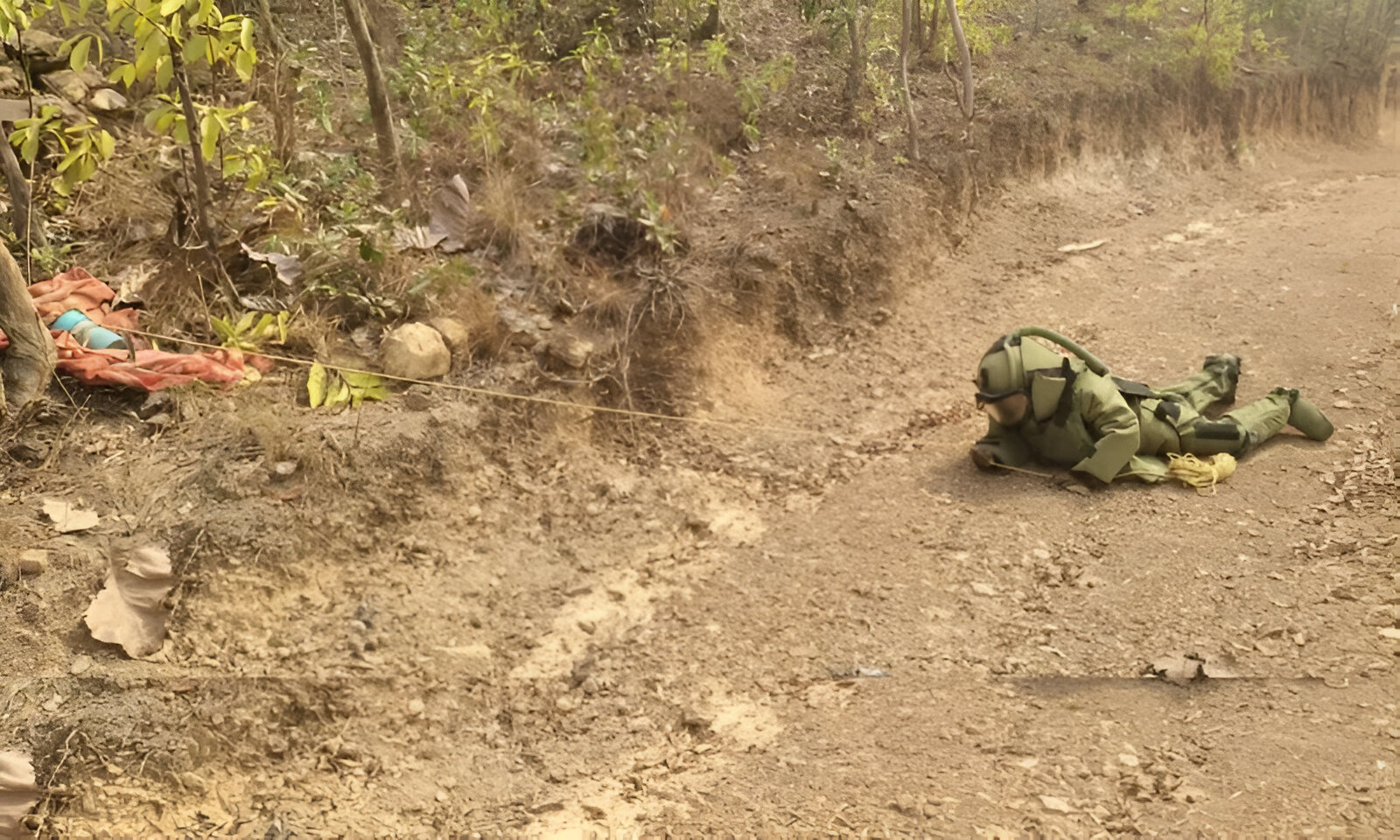
The Indian Army, in collaboration with Assam Rifles, Manipur Police, CRPF, BSF, and ITBP, has ramped up counter-insurgency operations (CIOs) across multiple districts in Manipur. This initiative led to the recovery of 29 weapons, improvised devices, grenades, ammunition, and other war-like stores. The Inspector General of Assam Rifles (South) emphasized that these operations are conducted impartially, addressing allegations of bias by certain groups.
Understanding the Recent Surge in Counter-Insurgency Operations in Manipur
Hey there! Let’s dive into the recent developments in Manipur, where the Indian Army, along with other security forces, has been stepping up its game against insurgent activities. It’s a complex situation, but I’ll break it down for you in simple terms.
Backdrop: The Ongoing Conflict in Manipur
Manipur, nestled in the northeastern part of India, has been grappling with ethnic tensions and insurgencies for decades. The state is home to diverse communities, including the Meitei and Kuki tribes. Unfortunately, these groups have often found themselves at odds, leading to prolonged conflicts and instability in the region.
Recent Developments: Intensified Operations
In a bid to restore peace and order, the Indian Army, in coordination with Assam Rifles, Manipur Police, CRPF, BSF, and ITBP, has intensified counter-insurgency operations across several districts in Manipur. Between March 26 and 29, these joint efforts led to the recovery of 29 weapons, improvised devices, grenades, ammunition, and other war-like stores.
Addressing Allegations of Bias
Now, you might have heard some chatter about the security forces favoring one community over another. The Inspector General of Assam Rifles (South) has come forward to set the record straight, emphasizing that these operations are conducted without bias. The forces aim to neutralize threats and ensure the safety of all communities in Manipur, regardless of their ethnic backgrounds. The Times of India
The Humanitarian Side of the Army’s Efforts
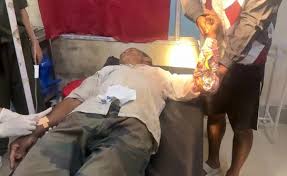
Beyond the battlefield, the Indian Army has been extending a helping hand to the local populace. Over the past year, they’ve conducted numerous rescue and evacuation missions, saving over 33,500 individuals caught in the crossfire. They’ve also provided shelter to more than 3,000 people affected by the violence and engaged in peace initiatives to foster dialogue among local leaders. NorthEast Now
Challenges on the Ground
Despite these efforts, the situation remains delicate. Reports indicate that militants from neighboring Myanmar have been crossing into Manipur, exacerbating the conflict. These fighters, armed with sophisticated weapons, have intensified the violence, making the task of restoring peace even more challenging for the security forces. Reuters
Looking Ahead: The Path to Peace
Restoring lasting peace in Manipur isn’t solely the responsibility of the security forces. It’s a collective effort that requires dialogue among communities, understanding, and addressing the root causes of the conflict. While the intensified operations aim to curb immediate threats, long-term solutions lie in reconciliation and development initiatives that bridge divides and foster unity.
FAQs
- Why has the Indian Army intensified operations in Manipur recently?
- The escalation aims to neutralize increased insurgent activities and restore peace in the region.
- Are the security forces favoring any particular community in these operations?
- No, the operations are conducted impartially, targeting threats to all communities in Manipur.The Times of India
- What humanitarian efforts have the Indian Army undertaken in Manipur?
- They’ve conducted rescue missions, provided shelter, offered medical aid, and facilitated peace dialogues among local leaders.NorthEast Now
- How are militants from Myanmar affecting the situation in Manipur?
- Their influx has intensified violence, complicating efforts to restore peace.NorthEast Now+1Reuters+1
- What steps are being taken to achieve long-term peace in Manipur?
- Beyond military operations, initiatives include fostering community dialogues, addressing root causes of conflict, and promoting development projects.