Manipur Violence: Attack on MLAs and Ministers Amid Escalating Unrest
Summary
Manipur continues to grapple with severe ethnic tensions, resulting in attacks on politicians and increased unrest. In a recent violent escalation, mobs attacked the homes of several MLAs and ministers after the discovery of three dead bodies linked to the ongoing conflict. The situation prompted curfews and internet blackouts in Imphal to curb the unrest, but the violence underscores the deep-rooted divisions in the state.
Long Article
Understanding the Manipur Crisis
Manipur, a northeastern state in India, has been in turmoil since May 2023. The conflict revolves around ethnic tensions between the Meitei community, primarily based in the Imphal Valley, and tribal groups such as the Kuki and Naga communities, largely residing in the surrounding hills. The Meitei’s demand for Scheduled Tribe (ST) status triggered fears of land and cultural displacement among the tribal groups, sparking protests and retaliatory violence.
The Escalating Violence
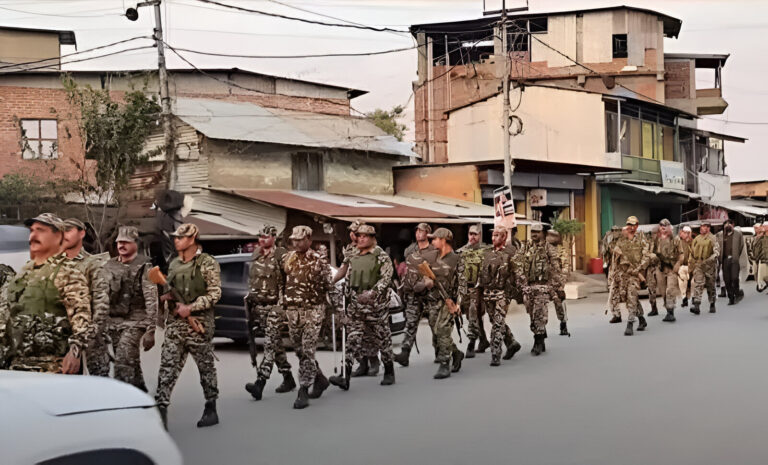
The recent attacks came after the discovery of three dead bodies, suspected to be linked to the ethnic strife. Enraged mobs attacked the residences of several MLAs, including Sapam Ranjan, the Health Minister, and Karam Shyam, a former minister. Their homes were vandalized, and attempts to storm the residence of Chief Minister Biren Singh were reported. Security forces were deployed to control the situation, but these incidents highlight how political figures have become targets in the ongoing unrest.
Internet Blackout and Curfews
In response, the Manipur government imposed curfews and suspended internet services in Imphal to prevent further violence and curb the spread of misinformation. While such measures aim to stabilize the situation, they also limit communication for civilians, adding another layer of challenge for those living in the conflict zones.
The Roots of the Crisis
At its core, the violence stems from a struggle over identity, land, and political power:
- Meitei Demands for ST Status: This demand is seen as a bid for greater access to resources and rights, but it threatens the already fragile balance of power in the state.
- Hill-Valley Divide: The geographical and cultural divide between the valley-dwelling Meiteis and the hill tribes exacerbates misunderstandings and tensions.
- Mistrust and Historical Grievances: Decades of perceived neglect, resource allocation disputes, and political misrepresentation have deepened divisions.
How Did We Get Here?
The crisis escalated following a “Tribal Solidarity March” in May 2023, organized to protest the Meitei demand for ST status. Violence erupted during this march, with both sides accusing each other of provocations. Over time, the conflict has spiraled into a cycle of retaliation, with civilians, militants, and even politicians bearing the brunt.
Impact on Civilians
The ongoing violence has displaced over 60,000 people, with many forced into relief camps or makeshift shelters. Lives have been upended, schools and businesses remain shut, and fear permeates everyday life. The attacks on political leaders signify a breakdown in governance, leaving ordinary citizens more vulnerable.
Government’s Response and Criticism
While the government has deployed security forces and implemented curfews, critics argue that the measures are insufficient and fail to address the root causes. Ethnic leaders from both communities have called for dialogue, but mutual distrust and the lack of a neutral mediator have stalled progress.
FAQs
- What is the primary cause of the Manipur conflict?
The conflict arises from ethnic tensions, primarily between the Meitei community’s demand for Scheduled Tribe status and fears of displacement among tribal groups. - How is the government addressing the situation?
The government has imposed curfews, suspended internet services, and deployed security forces. However, critics say these actions are temporary solutions. - Who are the main communities involved?
The conflict involves the Meiteis, who are a majority in the valley, and the tribal Kuki and Naga groups in the hills. - What role do politicians play in the unrest?
Politicians have become targets of mob violence, reflecting public frustration and the perceived failure of leadership to resolve the crisis. - What are the broader implications of the violence?
The unrest threatens to destabilize the state further, deepen ethnic divisions, and impact governance and development.