Three CorCom Cadres and one insurgents arrested in Manipur Ahead of PM Modi’s Visit
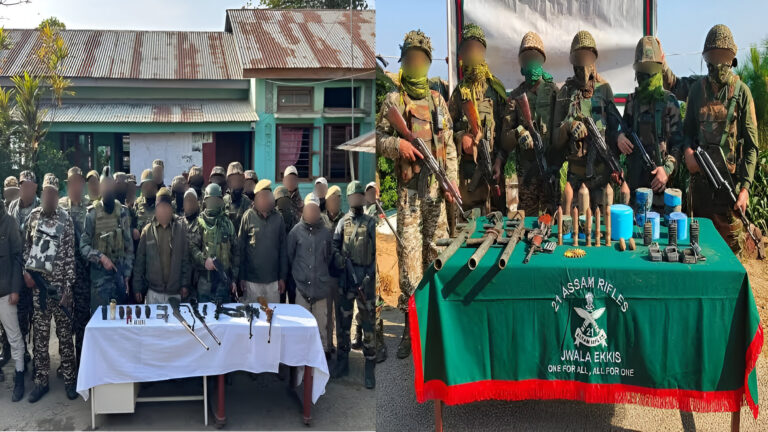
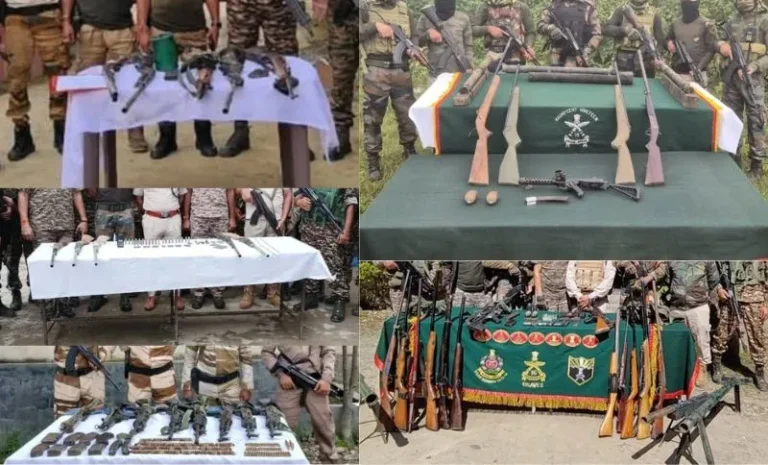
Security forces in Manipur arrested three cadres of the Coordination Committee (CorCom) and one insurgents in intensified operations across Imphal and surrounding districts as the state prepared for Prime Minister Narendra Modi’s likely visit on September 13, 2025. The detained include members allegedly linked to RPF/PLA, KCP, UNLF and PREPAK, and authorities recovered items including a 9mm pistol, SIM cards and mobile phones during the raids. The militant umbrella group CorCom has called a total shutdown to protest the PM’s visit, and the arrests form part of a wider security push that has seen multiple anti-militancy operations and detentions across the state in recent weeks.
- Khundrakpam Malangba Singh (alias Tikenjit, 50) — identified as linked to the Revolutionary People’s Front / People’s Liberation Army (RPF/PLA) and arrested from Tingri Lamkhai in Imphal West.
- Ningthoujam Sunil Singh (alias Salai, 28) — alleged Kangleipak Communist Party (KCP) cadre, apprehended at Wangkhei Andro Parking, Imphal East; a mobile phone and wallet were seized from him.
- Oinam Naobi Meitei (alias Bikendra, 29) — described as a cadre of the United National Liberation Front (UNLF-Koireng), detained in Bishnupur district, with a phone and SIM card recovered.
- Lanpoklakpam Sanatomba Singh (alias Ibungo, 41) — member of the People’s Revolutionary Party of Kangleipak (PREPAK), arrested from his residence in Imphal West; authorities recovered a 9mm pistol with magazine, a mobile phone and a SIM card.
CorCom’s response: boycott call and the risk of a shutdown
The Coordination Committee (CorCom) — an umbrella grouping of several militant organizations — publicly called for a total shutdown to boycott the Prime Minister’s visit. That public posture heightens the stakes: a shutdown can mean closed shops, blocked roads, and the potential for confrontations if security forces attempt to keep routes open. CorCom’s call highlights a political dynamic many residents feel acutely: the same visit designed to signal normalcy can be seen by some armed groups as external theatre that ignores local grievances. The boycott call also complicates security planning and raises the risk of localized flashpoints on the day of the visit
FAQs
Q1: Who were the four people arrested and which groups were they linked to?
A1: Authorities reported arrests of Khundrakpam Malangba Singh (Tikenjit) — linked to RPF/PLA; Ningthoujam Sunil Singh (Salai) — alleged KCP cadre; Oinam Naobi Meitei (Bikendra) — identified as UNLF-Koireng cadre; and Lanpoklakpam Sanatomba Singh (Ibungo) — linked to PREPAK. A 9mm pistol, SIM cards and mobile phones were among items seized.
Q2: Why did security forces intensify operations now?
A2: Security forces typically heighten operations before VVIP visits to neutralize threats. In this case, the arrests were part of intensified sweeps ahead of the Prime Minister’s likely visit on September 13, 2025, coupled with broader efforts to disrupt militant logistics.
Q3: What is CorCom and what did it call for?
A3: CorCom (Coordination Committee) is an umbrella grouping of several militant outfits operating in Manipur. It called for a total shutdown to boycott the PM’s visit, complicating security and civic life in areas where the call is observed.
Q4: Could these arrests be politically motivated?
A4: While pre-visit arrests are a common security practice, timing can create political optics. Independent legal process — transparent charges, forensic evidence, and judicial oversight — are essential to prevent perceptions of politically motivated detentions.
Q5: How will we know if the visit had a lasting positive impact?
A5: Look for time-bound, verifiable actions after the visit: published beneficiary lists for rehabilitation, independent monitoring of aid distribution, sustained reduction in violent incidents, and transparent legal outcomes for those detained. Those are the markers of substance beyond optics